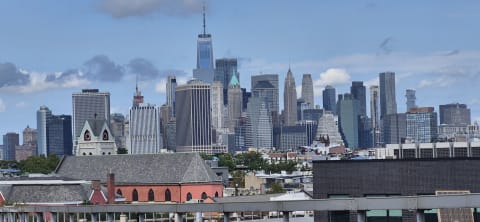
New York just did it again. In Resonance Consultancy's 2026 America's Best Cities report — released June 17, and for the first time covering all 393 U.S. metropolitan areas — New York City ranked No. 1 in the country for the tenth consecutive year. Not just No. 1 overall: first in all three pillars the ranking measures — Livability, Lovability, and Prosperity. Los Angeles and Chicago took second and third. In the global edition of the same ranking, New York is No. 2 in the world, behind only London.
The methodology behind it is broad: walkability, parks, transit, and air quality on the livability side; restaurants, nightlife, culture, and social-media pull on lovability; economic strength, jobs, and Fortune 500 headquarters on prosperity — plus an Ipsos survey of more than 2,000 U.S. households on where Americans actually want to live, work, and visit. The city drew 65 million visitors in 2025. By the numbers and by reputation, no American city comes close.
New Yorkers earned the right to celebrate this one. And at the same time, everyone who actually pays rent here knows the second half of the story.
Being No. 1 has a price tag
The same year New York topped every livability ranking, the city's own housing data told a harder story — one we've covered piece by piece:
- More than half of rent-stabilized households — 51.6% — spend 30% or more of their income on rent, and nearly a third of those spend half or more, according to the Rent Guidelines Board's own 2026 research. The numbers behind this year's rent debate are here.
- The pressure got strong enough that in June, the board froze stabilized rents at 0% for the first time on both one- and two-year leases — a historic vote we covered in detail.
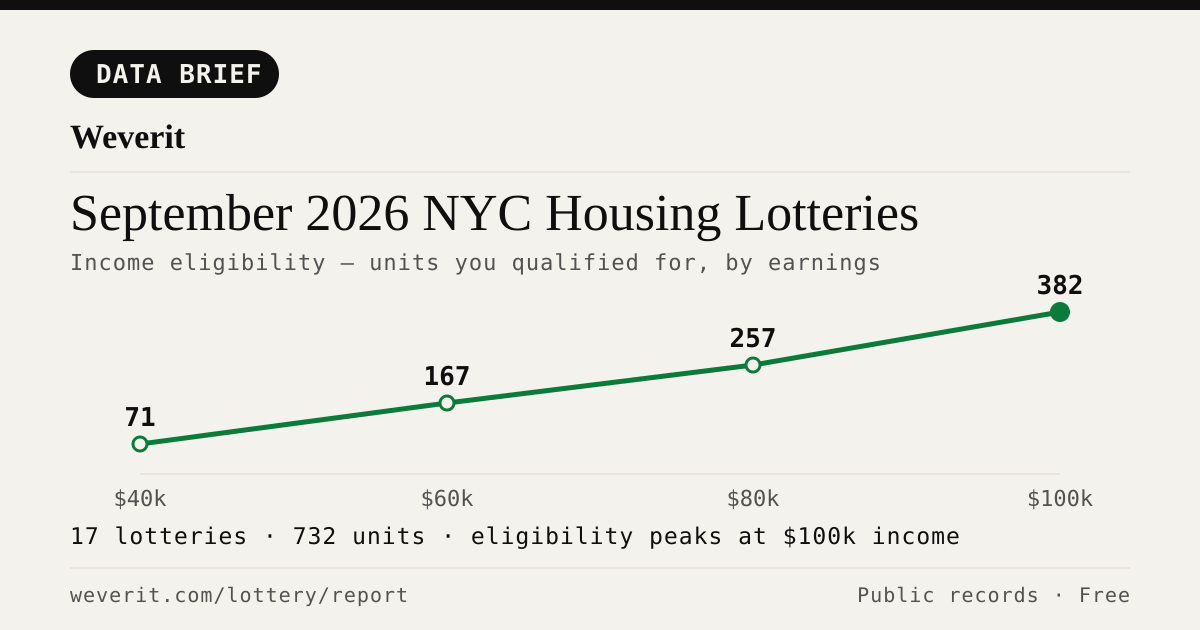
- Demand for affordable housing lotteries routinely produces hundreds of applications per available apartment, and the competition keeps intensifying as the city's population and appeal grow — the very things this ranking rewards.
That's not a contradiction. It's the same fact viewed from two sides: the most desirable city in America is desirable in ways that show up directly in your rent. Prosperity attracts people; people compete for apartments; competition raises the stakes of every housing decision you make here.
How to actually live in No. 1
We built Weverit for exactly this tension — because in the best city in America, housing mistakes cost more. A few things worth knowing:
Check before you sign. Every building in our catalog — 10,000+ and growing — has a free report built from public records: HPD violations, complaints, ownership, permits. The listing shows you the kitchen; the record shows you the landlord. Look up any building before you commit.
Know if you're stabilized. Roughly a million apartments here are rent-stabilized, and plenty of tenants don't know they're in one. It changes your rights, your renewal terms, and this year — thanks to the freeze — your rent. Here's how to check for free.
Use the lottery system. NYC's housing lotteries are the most underrated path to affordable housing in the country's most competitive market. New lotteries open constantly — we track every active one, with building reports attached.
If you're a senior or have a disability — your rent may never need to rise again. Two city programs can freeze it indefinitely, and about half of eligible New Yorkers don't use them. Here's how they work.
If rent stabilization is the throughline for you, we keep every piece — the freeze, the programs, and how to check your status — in one place: our NYC rent stabilization resource center.
America's best city, ten years running, is a real achievement — 8.5 million people participate in it daily. Living here well just takes more information than living anywhere else. That part, at least, we can make free.
Weverit provides independent, tenant-side research from New York City public records. Ranking data: Resonance Consultancy, America's Best Cities 2026.