
NYC's Housing Insurance Program Moves Forward: The Hunt for an Operator Begins
The city has opened the process to find who will run its first-of-its-kind insurance program for affordable and rent-stabilized housing — $100M, responses due August 6. What's happening now, who's eligible, and what it means for the 865,000 apartments in scope.

Your Building's Violation Record Just Became a Policy Lever. Here's the City's New Playbook.
NYC’s housing strategy now uses building violation records to push distressed buildings toward nonprofit ownership. How tenant organizing became a lever.

NYC Was Just Named America's Best City — for the 10th Year Running. Here's What It Costs to Live in No. 1.
For the 10th year running, NYC ranked America’s best city (Resonance, 2026). Here’s what living in No. 1 actually costs renters.
Why Is NYC Creating a City-Backed Insurance Program for Rent-Stabilized Buildings?
Insurance costs for rent-stabilized buildings nearly doubled in five years. NYC is launching a city-backed program to cut premiums 20%+. How it works.

Why a Third of NYC Evictions Happen in "Affordable" Housing — and the Court Fix Being Proposed
In 2024, over a third of NYC eviction filings — about 43,000 of 120,000 — were in subsidized affordable housing. Why, and the proposed court fix.

The World Cup Is Here. Can You Legally Airbnb Your NYC Apartment?
World Cup demand is tempting NYC renters to Airbnb their apartments — but Local Law 18 makes renting your whole place for a few nights illegal for most.

Aging Out of Foster Care in NYC? A New Plan Promises 800 Homes
Young people aging out of NYC foster care face a high homelessness risk. A new five-year plan aims to create 800 homes for them. What’s proposed.

Is 2026 a Buyer's or Seller's Market in NYC? What the Data Says
Is 2026 a buyer’s or seller’s market in NYC? Less about price corrections, more about competition for well-priced homes. What the data says.

Rental Inventory Is Surging in NYC. What That Means If You're Looking
More apartments are hitting the NYC market than any time since 2022 — 35,000+ newly listed Jan–Oct 2025. What the surge means and how to use it.

Manhattan's Luxury Market Keeps Surging. The Numbers Behind It
Predictions that Manhattan’s luxury market would collapse after the 2025 election haven’t materialized. High-end sales stay strong in 2026. The data.

NYC Office-to-Residential Conversions Are Doubling in 2026. Here's What's Driving It
NYC developers are on track to start 9.5 million sq ft of office-to-residential conversions in 2026 — more than double last year. Why it’s happening now.

What Is the 467-m Tax Break — and Why It's Reshaping NYC Housing
The 467-m tax break is driving NYC’s biggest wave of office-to-housing conversions, with affordable units required. How it works and its deadline.

NYC's First City-Owned Grocery Store Is Coming to the South Bronx. Here's What We Know
NYC’s first city-owned grocery store is coming to Hunts Point, inside The Peninsula’s 740-unit affordable development. What’s planned and when it opens.

Can You Legalize Your Basement Apartment in NYC? The 15-Neighborhood Pilot Explained
NYC can legalize some illegal basement and cellar apartments — but only in 15 neighborhoods, with heavy limits. Who qualifies and who is left out.

How to Testify Before NYC's June 25 Rent Vote
The Rent Guidelines Board votes on rent increases for one million stabilized apartments on June 25. Here's how to testify at the borough hearings and make your voice count before the vote.

NYCHA Residents: Your Building May Be Moving to a New Owner. Here's What PACT Means
NYCHA is moving thousands of apartments to private management under PACT. Your core protections remain on paper, but results in practice have been mixed.

Tenants Counsel Network Shut Down: Were You a Client? Here's How to Get a Refund
NY’s AG shut down Tenants Counsel Network, which took money from tenants facing eviction and never showed up in court. How to get your money back.

Two May 2026 Demolition-Eviction Cases Testing the Good Cause Loophole
Two Manhattan landlords invoked Good Cause Eviction's demolition exception this spring — at 141 Second Avenue and 303 West 74th Street. What Housing Court decides will shape how the loophole gets read going forward.

Behind on Rent in NYC? A New City Program May Keep You from Getting Evicted
A new $5M NYC program lets your landlord borrow to cover your overdue rent instead of evicting you. Who qualifies and how to raise it with your landlord.

New York State Exempts Most New Housing from Environmental Review. Here Is What Changed.
Hochul signed a law exempting most new residential construction from NY’s SEQRA review — the biggest change since 1975. What it means for housing.

Mayor Mamdani's "Block by Block" Plan: What It Proposes for NYC Housing
Mayor Mamdani’s Block by Block plan targets 200,000 new and 200,000 preserved affordable homes over a decade, backed by $22B. What the plan proposes.
Landlord Income Was Up 6%. Tenant Rent Burden Is Above 50%.
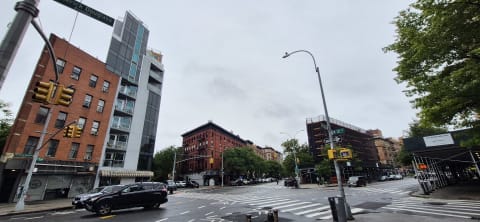
The Rent Guidelines Board reviews two numbers as it heads toward its late June vote. According to its own staff data, landlord net operating income rose 6% in 2024. More than half of NYC renter households now pay more than a third of their income in rent. The board must reconcile these numbers in setting rent adjustments for one million stabilized apartments.
The Eviction Map Has a Pattern. It's the Same Pattern Every Year.
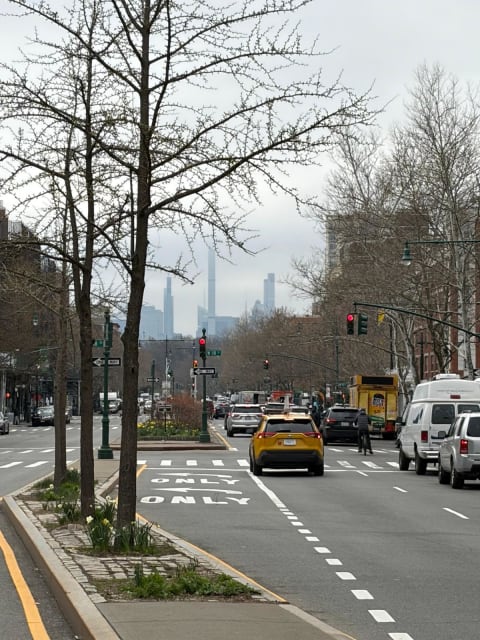
NYC Comptroller data shows eviction filings concentrate in upper Manhattan, the south Bronx, and central Brooklyn — the same lower-income areas every year.
A Prison Becomes a Co-Op. Whose Co-Op?
The former Lincoln Correctional Facility in Harlem reached a $97.8 million financing milestone on May 18, advancing its transformation into a 22-story affordable homeownership development. The project produces 105 cooperative units across from Central Park. But Harlem residents have raised concerns that the prices remain out of reach for most longtime community members. What the project delivers, who can afford it, and the broader question of who "affordable" affordable housing actually serves.