News & analysis · Updated daily
Independent · Tenant-side · No broker affiliations
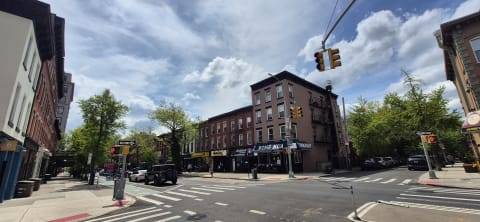
Tenant Brief
The Forums Starting May 20
The first of three new forums between NYCHA residents and senior city officials is scheduled for May 20 in the Bronx. The format, the registration, and the conditions data that form the practical backdrop for what is being discussed.

Policy Brief
The Report Due July 6
The Rental Ripoff Hearings ended April 7. Most New Yorkers do not know what comes next. Within 90 days, four city agencies must submit a joint report with reform recommendations and a measurable target for violation correction speed. The deadline is July 6.

Investigation
One Year After the Broker Fee Ban
The FARE Act took effect June 11, 2025. One year in, more than 2,000 broker-fee complaints have been filed with the city. The law worked. The market is also working around it.
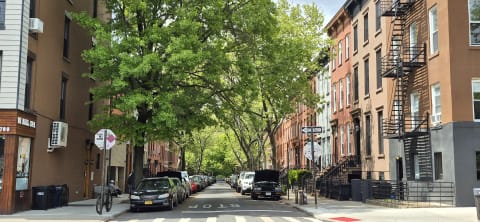
Coming Law
What Is NYC's COPA Law? Tenant Building Purchase Rights Explained
COPA would give nonprofits first shot at distressed NYC buildings before a private sale. It is proposed, not law yet — where it stands and who it covers.

Policy Brief
A Rent Freeze Is Officially on the Table
The Rent Guidelines Board cast its preliminary vote Thursday at LaGuardia Community College. For the first time since 2016, zero is mathematically inside the range of possible outcomes for stabilized rents. The June vote will choose the number inside it.

Market Brief
Who NYC Rent Actually Works For
Three NYC households — $85k, $150k, $300k — face the same rents and three different realities. At the median income the affordability math already breaks.

Tenant Brief
The Sign in Your Lobby
A new sign appeared in the lobby of every NYC building with at least one rent-stabilized unit this winter. The text is unremarkable. The thing the sign does not say is the more interesting story.

Investigation
The 99-Unit Pattern
In the past two years, NYC developers have filed permits for more than 150 residential buildings with one thing in common: each has exactly 99 apartments. The number is not coincidence. It is a tax break threshold — and it is changing what gets built across the city.
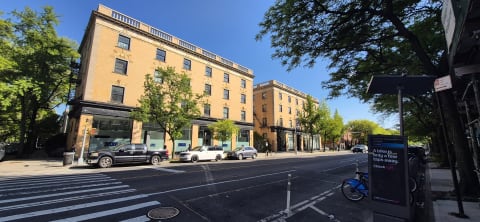
Market Brief
NYC Is No Longer One Housing Market
On a Sunday in Bay Ridge, a detached house drew nine offers in four days. Forty minutes away in Downtown Brooklyn, a condo sat on the market for two months. Both are part of the same NYC housing market. Increasingly, they behave like different economies.

Methodology
A 311 call is data. It is not necessarily evidence.
New Yorkers make 3.4 million 311 calls a year, feeding research, journalists, and renters. What a complaint proves — and what it doesn’t.

Investigation
5 Brooklyn buildings. 166 violations. One Monday.
On May 4, 2026, Brooklyn logged 9,717 of the city's 10,759 HPD violations — more than 90% of the citywide total. Five Brooklyn buildings alone produced 166 violations between them. Here's what that means for tenants in those addresses.

Investigation
70,000 People Applied. 168 Moved In. The Affordable Housing Math.
New York City had a 1.4% rental vacancy rate — while thousands of new affordable apartments sat empty for over a year. Here's why.

Investigation
One Bronx Landlord, $608,000, and a Pattern Worth Understanding
New York’s Tenant Protection Unit won a $608,000 settlement with a Bronx landlord across 11 buildings — a case that reveals a broader enforcement pattern.

MARKET INVESTIGATION
New York Real Estate Is No Longer a Market. It’s an Information War
New York’s real estate market has fragmented — the old “pay the price, get the keys” is breaking. Why information now decides who wins, and how to use it.

Tenant Brief
5,200 NYC Households Crossed a Voucher Deadline May 1. Here's What Comes Next.
The federal Emergency Housing Voucher program is winding down. NYCHA has not promised every affected tenant will be placed. What a household holding one of these vouchers should do this week.

Market Brief
The $1,750 Rent Gap: Why Manhattan Renters Can't Afford to Move
A typical NYC renter pays $1,855 but faces $3,616 to move to a comparable unit — a $1,761 “rent gap” that locks tenants in place. What the data shows.

Market Brief
A Japanese Investment Firm Bought Your Building. Here's What That Actually Means.
Since 2024, Japan-linked buyers have acquired $2.1B+ of NYC property — much of it ordinary multifamily walk-ups. What it means for tenants inside them.

Tenant Brief
The Hidden Costs of Renting in Manhattan
A Manhattan listing advertises one number. By the time you sign, you have agreed to roughly six to nine others.

Market Brief
What $4,000 Gets You: Upper East Side vs. Lower East Side vs. Harlem
What $4,000 a month rents on the Upper East Side, Lower East Side, and Harlem — a spring 2026 snapshot from current listings. Same budget, three lives.

Tenant Brief
The Three Questions Brokers Don't Want You to Ask
At an NYC showing, three questions cut through the pitch: what’s filed against the building, who really owns it, and when you’ll see the lease.